PushMe vs Google Alerts
The clearest overview of the product: where broad web indexing helps, where it is too slow, and why clustered, source-backed alerts are better for real operational work.
Practical guides for building high-signal alerts, comparing monitoring approaches, and verifying alerts with primary sources before a noisy page or stale summary sends you the wrong way.
Start From Need
Pick the risk you care about, then jump into a template, a category page, or a guide that helps you build the right alert.
Start With These
Read these first if you are comparing PushMe with generic monitoring tools or designing an alerting workflow from scratch.
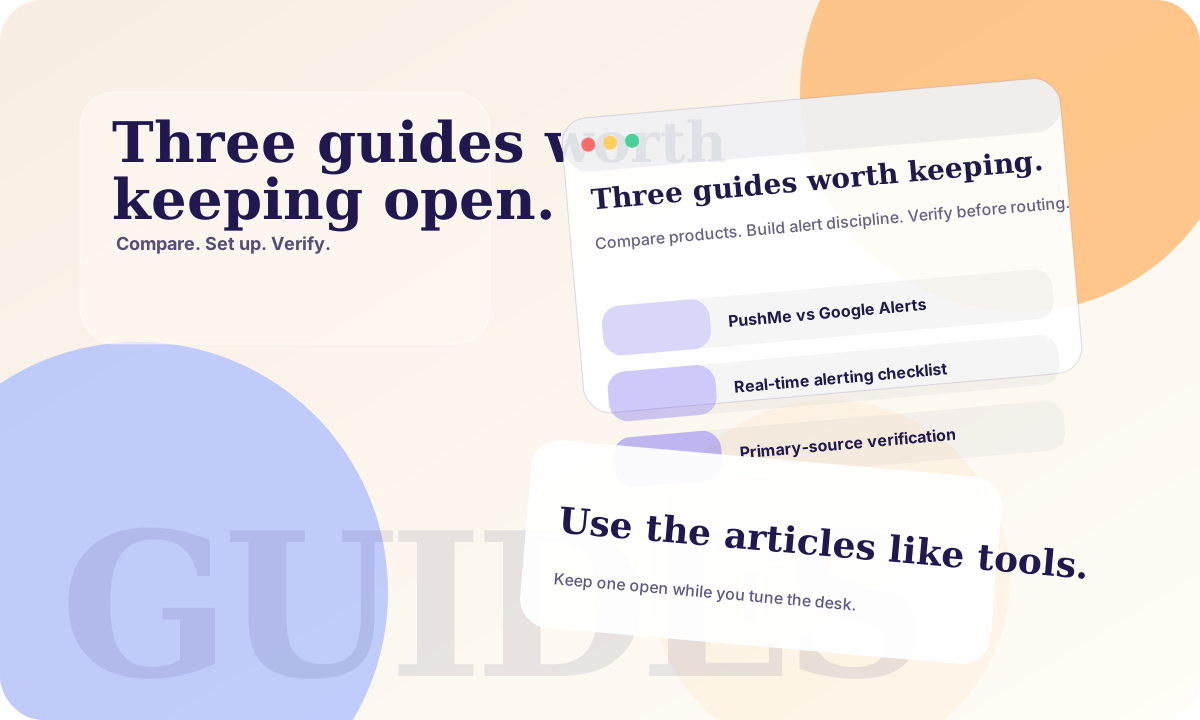
This index stays intentionally small. These are the three editorial pages that best explain how PushMe works, where it beats generic monitoring, and how to design alerts that people can actually trust.
The clearest overview of the product: where broad web indexing helps, where it is too slow, and why clustered, source-backed alerts are better for real operational work.
A compact setup guide covering coverage, thresholds, dedupe, verification, escalation paths, and delivery choices.
A practical guide to checking direct publishers, official advisories, vendor status pages, and first reports before you trust an alert.
The next step after these guides should be a concrete alerting workflow. If you know your risk category already, jump into the template library or one of the four focused alert pages.